





First things first. What does ‘forensic’ mean here?

“Forensic” can sound a little CSI. Here, it simply means disability support for someone whose circumstances also involve the justice system.
That can include people living in the community on justice orders, bail conditions, compulsory treatment or Supervised Treatment Orders, as well as people preparing to return to the community from custody or detention.
CareChoice provides the disability support part of that picture. Legal matters, custody and justice supervision remain with the relevant authorities.
Because a person’s involvement with the justice system is part of their story. It isn’t their whole story.
Complex circumstances need more than a standard approach.

CareChoice takes a trauma-informed and psychoeducational approach to forensic disability support, drawing on people’s strengths while helping them build skills, capacity and greater independence.
Depending on the support required, our forensic programs can include:


Specialist training
Including participant-specific trauma-informed training and CareChoice’s Working Safely with Complex Behaviours training.

Experienced oversight
Team Leader support, reflective practice, supervision and clinical governance.

Risk and behaviour expertise
Including risk assessment, Positive Behaviour Support and access to CareChoice’s internal Authorised Program Officer.

Transition planning
Careful planning around the move from custody or detention into a home and community setting.
What does support look like in practice?

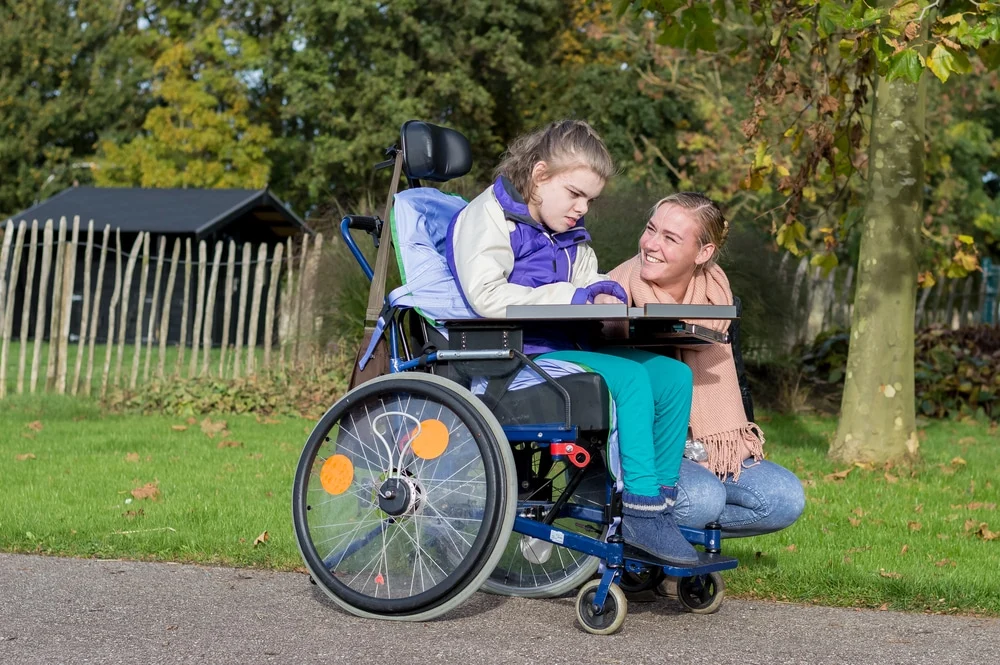
There’s no single forensic support model, because there’s no single forensic support client.
Depending on the person and their circumstances, support can include:
- everyday living and routines
- building skills and independence
- community participation
- support with complex or dual needs
- Positive Behaviour Support
- preparing to return to community living
- establishing support and accommodation after custody
- working alongside other professionals and services involved in the person’s life.

Our focus is understanding what someone needs to live safely, participate in their community and keep moving towards their goals.
Coming back into the community is a big transition.

Continuity of support matters when someone moves from custody or detention back into community life.
CareChoice can work with the person and the professionals around them to plan for accommodation, establish disability supports and build a consistent support team around what comes next.
There can be a lot to rebuild. Support shouldn’t be another thing that starts from scratch.
For the people around the person, too.

Forensic support rarely happens in isolation.
CareChoice works with Support Coordinators, case managers, families, forensic service providers and other professionals involved in the person’s support.
That’s a lot of expertise around one table. Our job is to make sure it adds up to one coherent support approach.
Specialist support needs specialist capability.


Experienced forensic support teams
across Melbourne and Victoria

Team Leader oversight
for continuity and coordination

Trauma-informed specialist training
built around individual circumstances

Internal Authorised Program Officer
supporting behaviour support service delivery

Australasian Association of Forensic Disability
member
FAQs.
Yes. CareChoice provides structured transition support for people preparing to move from custody or detention back into the community.
Yes. CareChoice supports NDIS participants living in the community whose circumstances include justice orders, bail conditions, compulsory treatment and Supervised Treatment Orders.
No. CareChoice provides disability-related support. Legal matters, custody and justice supervision remain the responsibility of the relevant authorities.
Yes. Support Coordinators, case managers, families and other professionals involved in someone’s support can contact CareChoice to discuss their circumstances.
CareChoice provides forensic disability support across Melbourne and Victoria.
Let’s start with the person, not the paperwork.

You don’t need to know exactly what the support arrangement should look like before you contact us.
Tell us about the person, their current circumstances, where they’re at in their transition and who’s already involved.
We’ll talk through what support is needed and whether CareChoice could be the right fit.